
Cancer and Lymphoedema
NOW OFFERING Complimentary Pre-operative Baseline Screening





Effective Method for Lymphoedema Detection
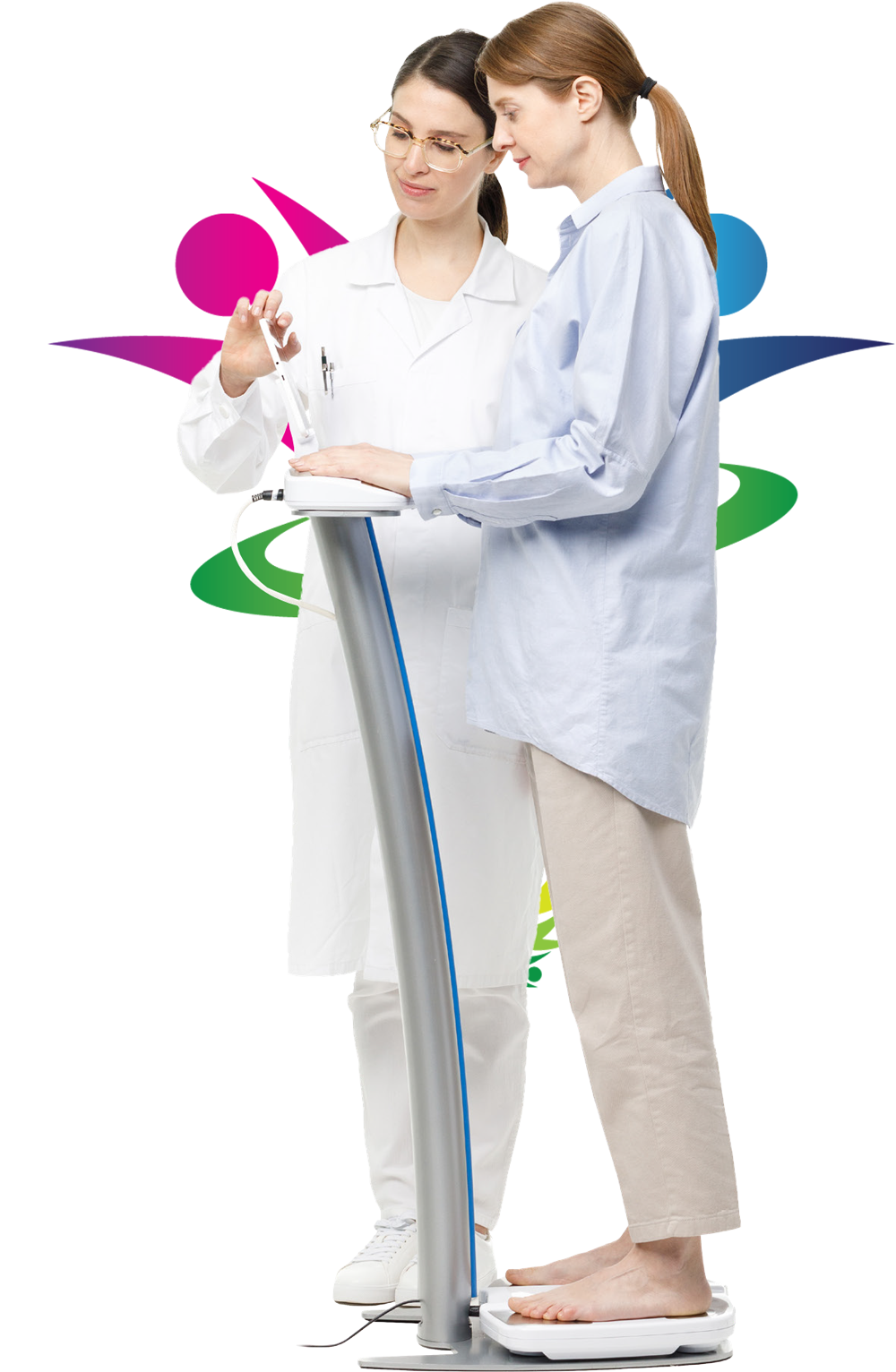
Onsite SOZO L-Dex Measurement
The Power of Regular Monitoring
Consistent monitoring and surveillance play a pivotal role in maintaining the health of at-risk patients. L-Dex readings enable the identification of volume changes even before they become visually apparent. Early intervention is the key to effective management.
The Significance of L-Dex Scores
An L-dex score is a critical tool used to assess limb volume and identify subclinical lymphoedema. This early detection stage is crucial for implementing appropriate treatments to prevent further progression.
Identifying the At-Risk Individuals
Individuals at risk of developing cancer-related lymphoedema are typically those who have undergone lymph node removal surgery, received radiation therapy, or been treated with taxane-based chemotherapy.
What is LymphaTech 3D scanning?
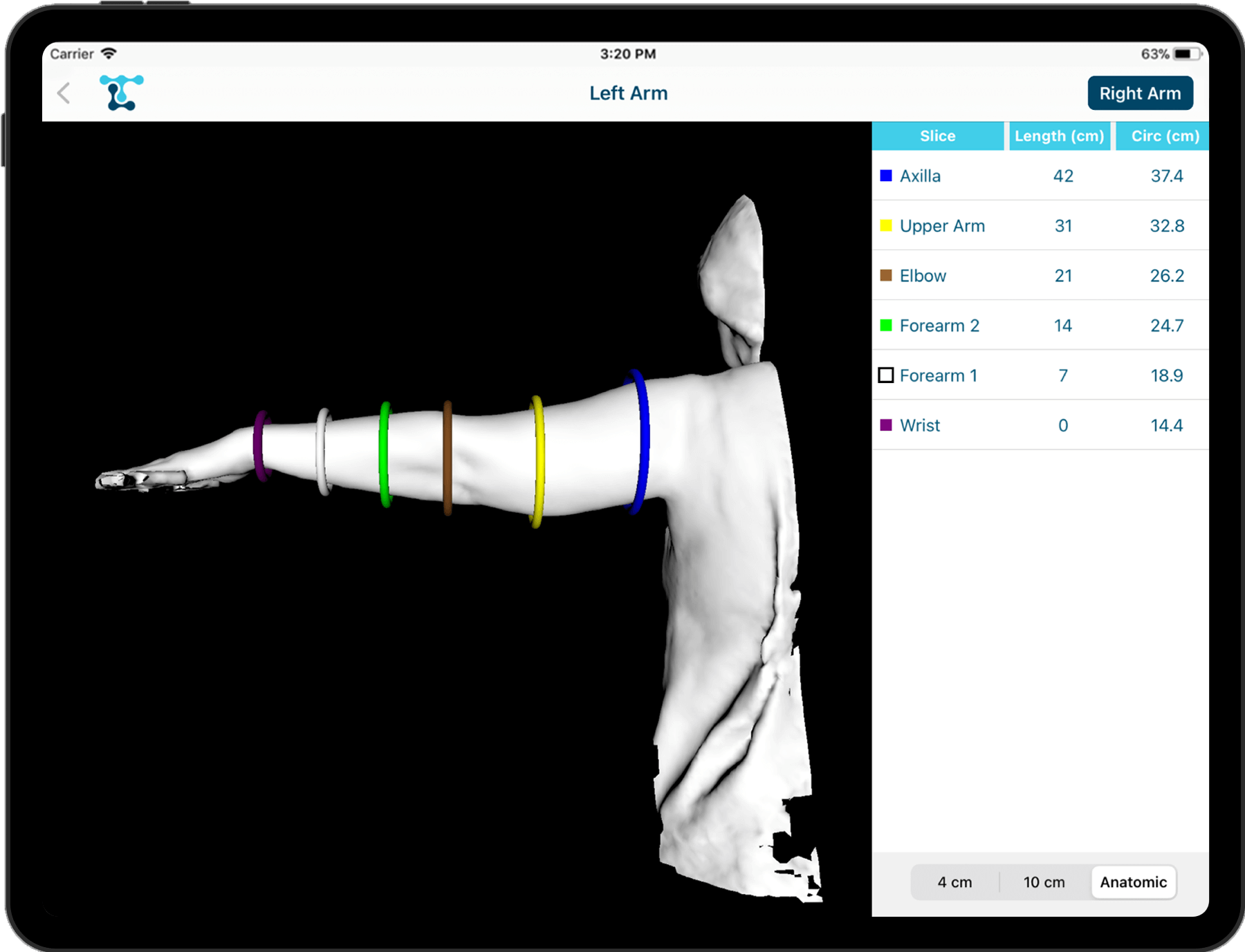
LymphaTech lets us take quick 3D measurements of your affected site to track true volume changes from visit to visit. That means we can spot small shifts early, before they become bigger problems, and tailor compression, hands-on care, and exercise with objective data.
This “measure early, monitor often” approach is backed by leading guidelines and research showing that proactive, objective surveillance helps detect lymphedema sooner and supports better outcomes.
Why 3D scanning? It’s designed to be reliable and repeatable compared with tape measures, giving consistent numbers we can compare over time, so we can both see progress clearly at each visit.
Lymphoedema Management and Relief
How Can We Help?
At CanConquer, we provide a range of treatment methods tailored to address and manage lymphoedema, including:
✔ Pre-operative screening and assessment for baseline measurements
✔ Onsite Sozo Machine Ldex bioimpedance measurements
✔ Post-operative monitoring and rehabilitation
✔ Preventative surveillance and treatment for patients identified as 'at risk'
✔ Complex lymphoedema therapy encompassing:
- Education and advice
- Decongestive exercises
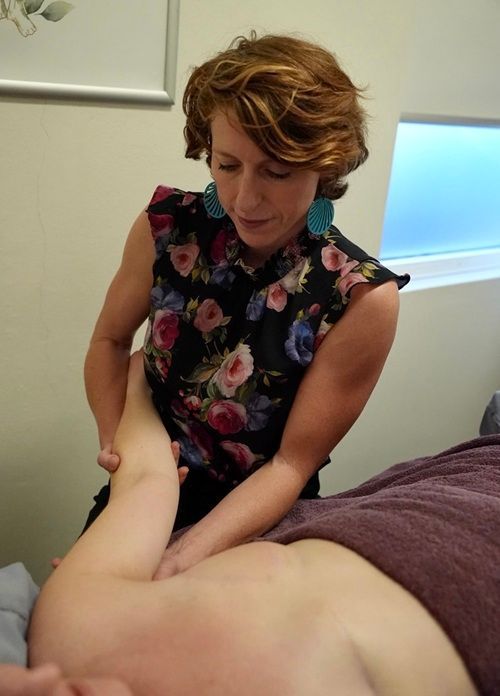
- Manual lymphatic drainage
- Compression garment prescription
- Low-level laser
- Intermittent pneumatic pump
- Scar mobilisation & management
- Axillary web syndrome (Cording)
- Shoulder mobility
- Early Intervention to prevent chronic lymphoedema
- Head and neck, breast and prostate cancers
- Exercise oncology and decongestive classes
✔
Led by ALA Accredited Lymphoedema Practitioners
Whats the science say about
Deep Oscillation Therapy?
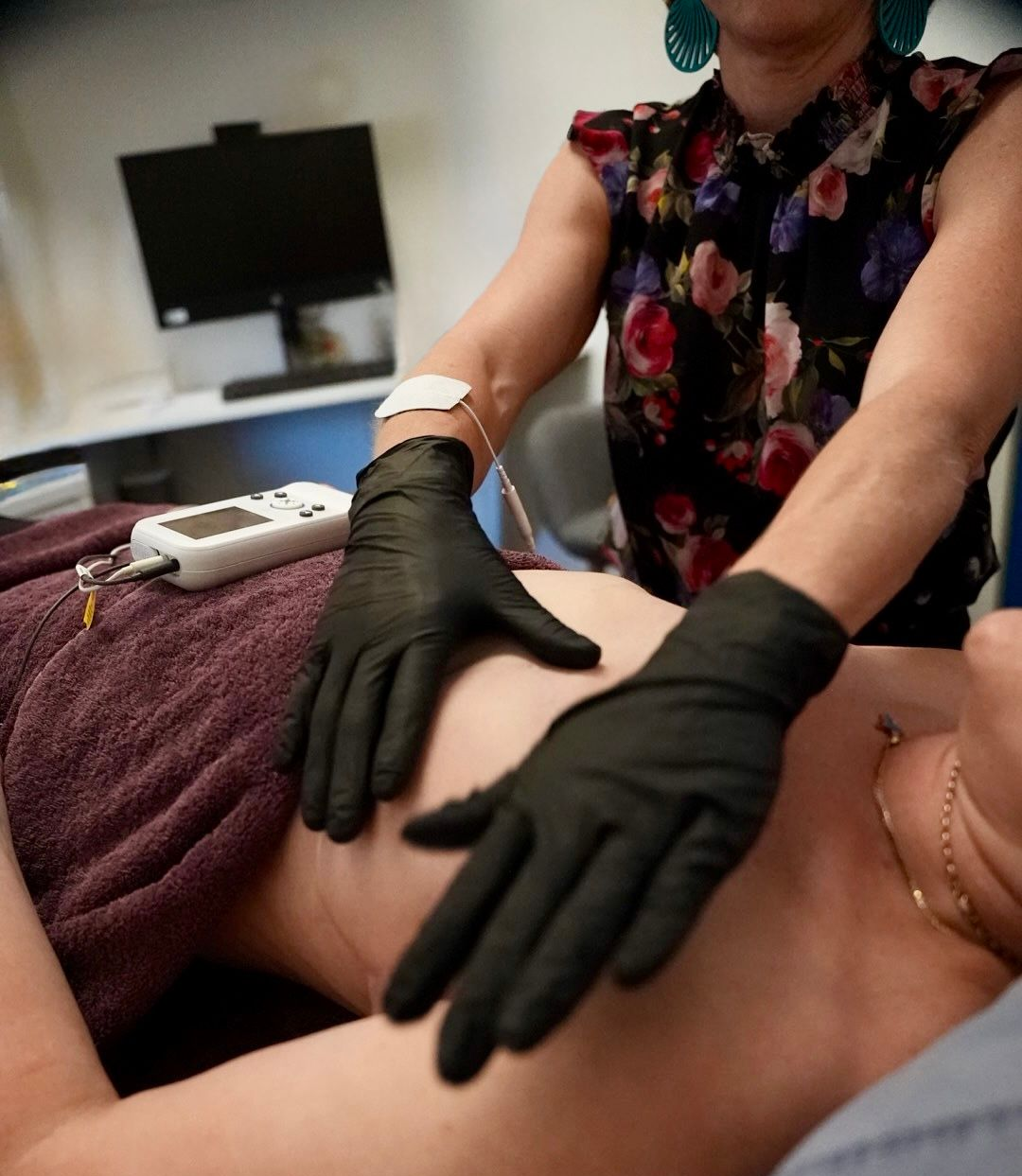
A gentle add-on to lymphoedema care. Deep Oscillation Therapy (DOT) uses a low-frequency pulsed electrostatic field to create soothing, deep vibrations in the tissue (not heat or ultrasound).
This helps move trapped fluid, ease discomfort, and soften tight or fibrotic areas. We use it alongside gold-standard care, compression, exercise, and manual lymphatic drainage, and we track your progress at each visit so changes are clear over time.
Early clinical studies in breast cancer-related lymphoedema report that adding Deep Oscillation to standard therapy can reduce pain and improve tissue feel/softness, with patients generally tolerating it well. Evidence is still emerging, so we use it as part of a personalised, outcomes-focused plan rather than a stand-alone cure.
Scar Therapy
Move freely again in the body you deserve
We understand that a scar is more than just a mark on the skin, it’s a story. Scars often hold not only physical adhesions and tightness, but also deep emotional memories of trauma, fear, treatment, and survival. That’s why our approach is intentionally gentle, respectful, and holistic, creating space to acknowledge and release both the physical and emotional layers of healing.
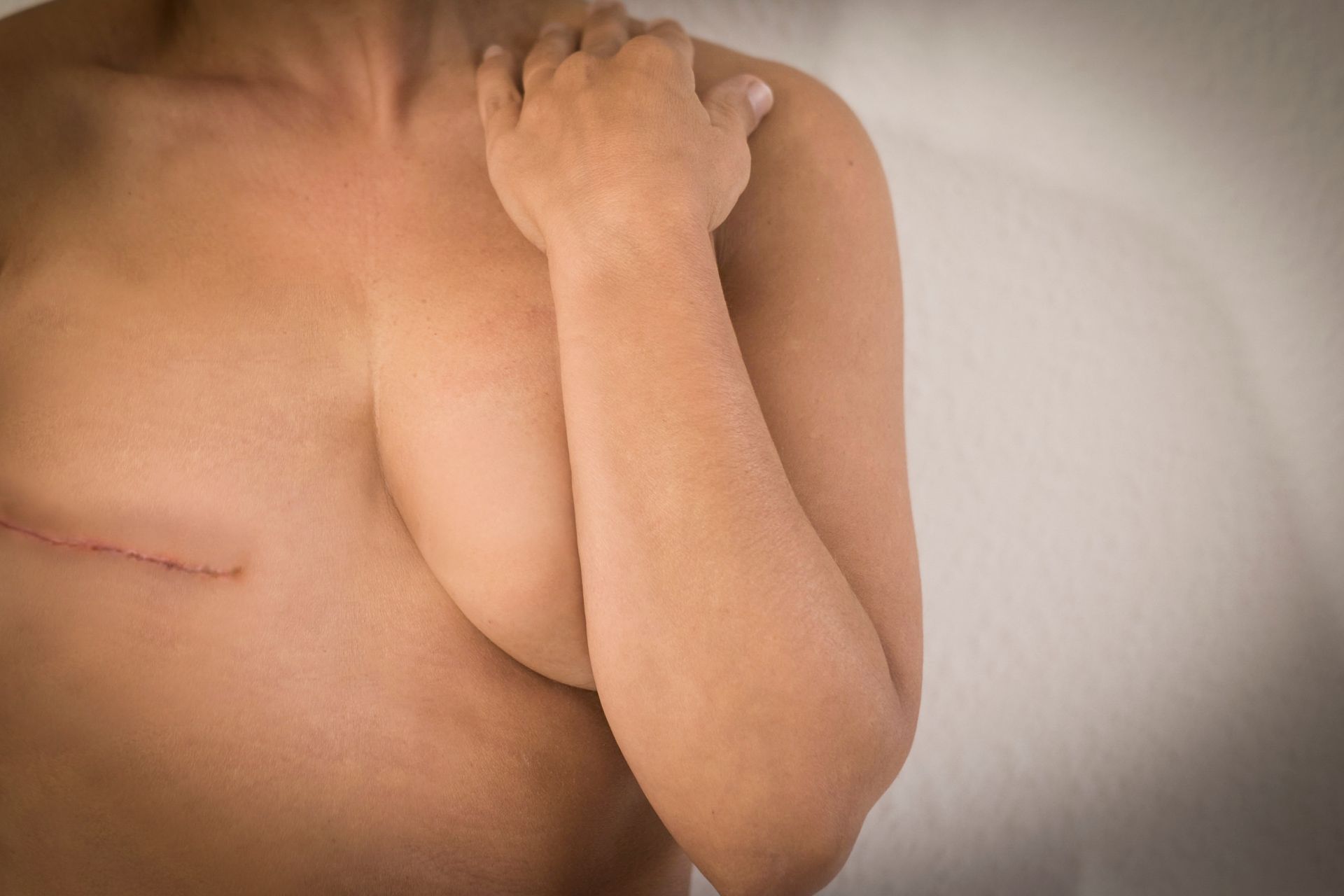
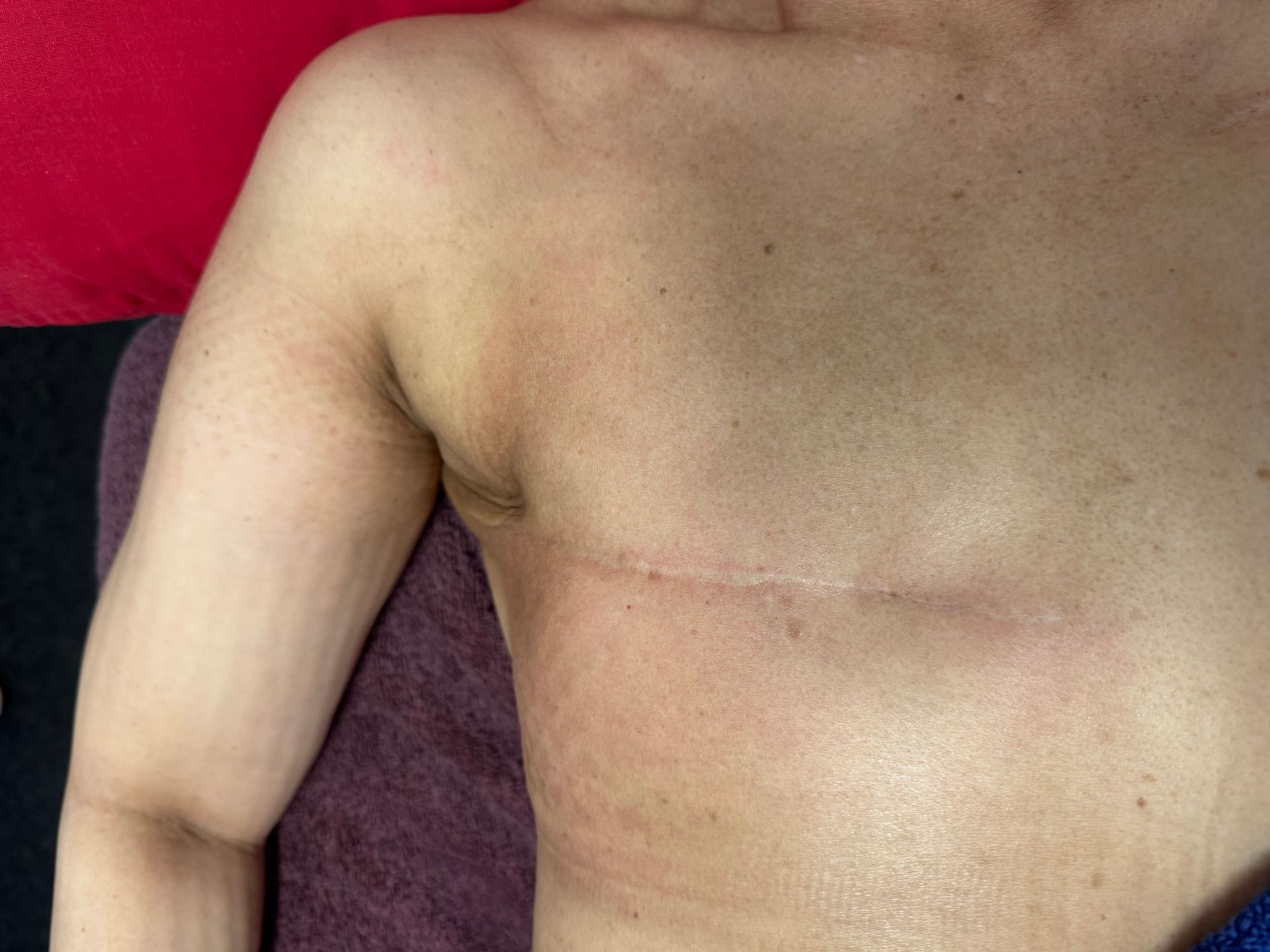
Kylie Moffitt is a Certified Oncology Scar Specialist through Restore Therapy UK – an internationally recognised program blending advanced clinical knowledge with compassionate, evidence-based hands-on care for people recovering after cancer surgery and treatment.
After any surgery, whether cancer-related or not, and following treatments such as radiation, scars and soft tissues can become ‘stuck’, forming adhesions and fibrosis that restrict movement, create discomfort, and alter how the body feels and functions.
Using specialised assessment tools, Kylie looks at the whole picture, from breathing patterns and daily activities to scar colour, thickness, sensation, and mobility. Treatment involves a combination of:
- Diaphragmatic & rib-release breathing techniques to restore rib mobility and reconnect mind and body.
- Gentle pumping, stroking, sink-and-twist and sink-and-roll techniques that calm the nervous system, soften adhesions and allow tissues to unwind at their own pace.
- Axilla and fascial release techniques tailored to breast, abdominal, or reconstructive scars.
- Sensory retraining and desensitisation, acknowledging that any touch in these areas can trigger fear, pain or protective responses — and gently rebuilding confidence and safety in touch.
- Progress tracking, including consented photographs and standardised scar and wellbeing measures (POSAS & MYCAW), so you can see and feel your progress over time.
These specialised techniques support improved range of motion, reduced pulling and tightness, enhanced lymphatic flow, and greater ease and comfort, while also honouring the emotional significance of the healing process.
Whether your scars are new or long-standing, scar therapy can help you reconnect with your body, release what’s held beneath the surface, and support your recovery in a safe, nurturing environment.
Embark on the path to recovery with CanConquer, and let us help you overcome cancer's challenges and rediscover a life filled with hope and vitality.
Fees For Treatments
For your initial consultation, we provide several payment options, which include utilising your private health fund, Medicare, or opting for private payment.
CanConquer Program sessions may be eligible for subsidies from health funds, contingent on your specific level of coverage.